Reputable Estate Legal Professional for Broad Legal Support
Navigating the complexities of estate planning requires specialized knowledge that many individuals may not have. A reliable estate attorney plays an essential function in guaranteeing that personal wishes are legally documented and conflicts between beneficiaries are minimized. Their knowledge of evolving laws and tax implications can safeguard property effectively. However, grasping the full scope of their offerings and the common pitfalls can significantly influence the planning stage. What challenges might arise without proper guidance?
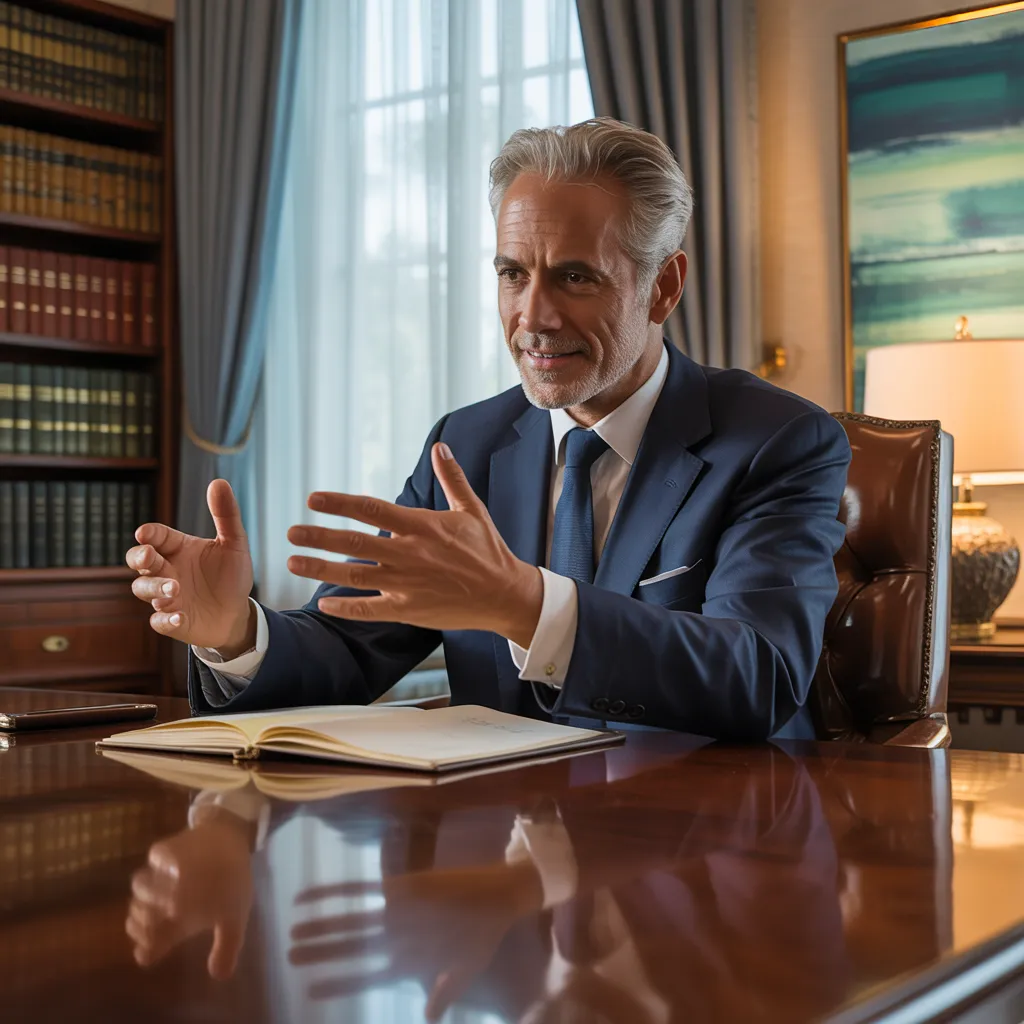
Widespread Estate Planning Barriers You Can't Should Not to Leave Unaddressed
Estate planning poses several challenges that individuals must handle to guarantee their wishes are observed and loved ones are preserved. One critical challenge is the gap in knowledge regarding the difficulties of estate laws, which can vary greatly by region. This often brings about inadequate planning or breach of legal obligations. Additionally, people often encounter challenges with affective obstacles, such as broaching death or family structures, which can block open exchange about estate topics.
One frequent issue is not keeping current property documents, resulting in antiquated terms that may not represent today's situations or intentions. Additionally, individuals may misjudge the potential tax ramifications of their properties, creating unforeseen financial pressures on beneficiaries. Finally, several people underestimate the importance of appointing appropriate guardians for dependents, which can create ambiguity and conflict within families. Confronting these challenges is critical for effective estate planning and guaranteeing contentment.
Essential Services Offered by Estate Lawyers for Successful Planning
Estate attorneys deliver a spectrum of critical offerings that facilitate effective estate planning. Key offerings contain will drafting, trust establishment assistance, and counsel on estate taxes. These offerings help individuals handle the complexities of estate management and confirm their wishes are honored.
Will Estate Drafting Services
Managing the complexities of will drafting is a significant step in successful estate organization. Estate lawyers deliver precious will drafting services that assure clients' wishes are plainly articulated and legally binding. These specialists guide persons through the evaluation complicated legal standards, helping to circumvent ambiguities that could cause disputes among beneficiaries. By assessing specific assets, family dynamics, and personal objectives, estate attorneys craft tailored wills that reflect the client's intentions. They also deliver insights on potential tax implications and the significance of choosing appropriate executors. With expertise in state laws and regulations, estate lawyers play a essential role in creating comprehensive wills, ultimately providing confidence to clients as they secure their legacies and protect their loved ones.
Trust Establishment Assistance
Navigating the difficulties of trust formation is a key factor of thorough estate planning. Estate lawyers provide required counsel in constructing multiple trust forms, tailored to meet individual client needs. They steer clients through the selection process, confirming the right type of trust—such as revocable, irrevocable, or special needs—is appointed based on specific goals and circumstances. Concurrently, lawyers help preparing the trust documents, outlining the terms transparently to forestall future disputes. They also take part in in resourcing the trust, ensuring assets are allocated correctly to bypass probate complications. By offering professional insights into legal requirements and implications, estate attorneys function in a integral role in establishing trusts that safeguard assets and execute the grantor's wishes effectively.
Estate Tax Advice
In what ways can people cope with the difficulties of estate taxes effectively? Estate attorneys serve a important role in this procedure, providing customized guidance to lower tax liabilities and maintain compliance with regulations. They evaluate the client's financial situation, spotting potential tax implications of estates and trusts. By monitoring current tax laws, estate attorneys offer planned advice, supporting clients to make informed decisions regarding asset distribution and charitable contributions. Additionally, they assist with preparing and filing important tax documents, reducing the risk of errors that might lead to penalties. Ultimately, working with an estate attorney for tax guidance can result in substantial savings and peace of mind, enabling individuals to concentrate on their legacy instead of tax issues.
Selecting the Best Asset Counsel
Choosing an proper estate attorney requires thoughtful assessment of various critical considerations. Interested parties should assess the lawyer's skills and history, assess their approach to interaction, and think about the cost models. These components prove vital in ensuring a rewarding and pleasant collaboration.
Review Expertise And Experience
When looking for an estate lawyer, evaluating their qualifications and experience is crucial to ensure effective legal guidance. Prospective clients should look for lawyers with specialized education in estate law, as well as relevant certifications. Participation in professional organizations, such as the American Bar Association, can demonstrate a dedication to professional ethics and continued learning. Additionally, extensive experience in estate planning and probate issues can provide insight into an lawyer's qualifications. It is also beneficial to weigh their history with comparable matters, as practical experience often leads to superior results. By thoroughly evaluating these factors, people can take well-informed steps, ensuring they choose an lawyer capable of addressing their specific estate planning requirements.
Assess dialogue patterns
Effective interaction is necessary in the attorney-client relationship, particularly in estate planning. An attorney's ability to present sophisticated legal principles in a clear and understandable way is important for clients to make well-informed choices. Potential clients should determine whether the attorney genuinely hears their concerns and provides thoughtful responses. A communicative attorney creates confidence and facilitates honest dialogue, which is vital for discussing private matters such as assets and family dynamics. Additionally, assessing the attorney's communication approach can expose their versatility; whether they favor structured conversations or a less formal manner can considerably influence the client's feeling of ease. Ultimately, picking an attorney whose communication approach matches the client's needs can improve the entire planning process and generate superior results.
Review Fee Structures
It is crucial for clients looking for an estate attorney to understand fee structures, as this directly impacts their overall experience and financial planning. Attorneys may charge fixed rates, hourly charges, or retainers, each of which carries unique considerations. A flat fee provides certainty that allows clients to budget effectively. On the other hand, hourly rates may result in changing fees, influenced by the case details. Retainers require upfront payments but ensure prioritized service. Clients should also inquire about extra costs like filing fees or administrative fees. Transparency in fee structures builds trust and aids clients in making informed decisions. In the end, matching the fee structure to one's individual financial circumstances and legal needs is critical for a strong attorney-client relationship.
Popular Estate Planning Missteps to Eliminate
Estate planning is a essential step in guaranteeing that one's wishes are respected after death, yet many people make common mistakes that can compromise their intentions. One typical error is neglecting to revise wills and trusts after significant life events, such as marriage, divorce, or the birth of a child. Additionally, failing to designate beneficiaries on financial accounts can lead to unintended distributions.
A frequent error involves neglecting tax implications, which can significantly affect the estate's value. Many also downplay the significance of incorporating digital assets in their plans, resulting in uncertainty regarding online accounts.
Additionally, depending exclusively on self-created paperwork without expert assistance can result in legal gaps. Ultimately, numerous people neglect to discuss their wishes with family members, leading to disputes and misunderstandings. Avoiding these pitfalls is vital for successful wealth transfer, ensuring that one's legacy is maintained as planned.
Why Consistent Sessions With Your Estate Attorney Are Essential
How can frequent consultations with an estate lawyer ensure that a individual's desires remain aligned with current circumstances? Regular consultations allow individuals to review their estate plans in response to major transitions, such as matrimony, divorce, the birth of children, or changes in financial condition. These alterations can greatly impact how assets should be distributed and who should serve as executors or guardians.
In addition, legal frameworks involving estate planning evolve frequently. An lawyer can provide guidance on any regulatory shifts that may influence an person's estate plan. Periodic reviews also offer the opportunity to review tax considerations and approaches for reducing liabilities, making sure that the estate stays optimized for beneficiaries.
Ultimately, frequent communication with an estate lawyer develops a forward-thinking strategy, allowing individuals to adjust their plans competently and safeguard their purposes, thereby ensuring that their wishes are honored when the time comes.
What You Should Know About Your Initial Meeting With an Estate Lawyer
When meeting with an estate attorney for the first time, clients can anticipate a systematic discussion that establishes the foundation for their estate planning needs. The attorney will typically begin by obtaining essential information about the client's financial situation, family dynamics, and specific goals. This initial assessment helps identify priorities and any potential complexities in the estate plan.
Clients may be questioned regarding existing wills, trusts, or other legal documents, along with their preferences for asset distribution and guardianship arrangements. The attorney will also outline various estate planning tools, including wills, trusts, and powers of attorney, giving insight into how each can achieve the client's goals.
Ultimately, clients should anticipate a discussion about next moves, incorporating schedules and costs, ensuring they leave the meeting with a clear comprehension of the estate planning process and what is necessary moving ahead.
Frequently Posed Questions
How Much Does Engaging an Estate Attorney Usually Cost?
Engaging an estate attorney usually costs between $150 to $500 per hour, based on location and experience. Flat fees for specific services might range from $1,000 to $3,000, varying based on complexity and client needs.
Is It Feasible to Create My Own Estate Plan Without an Legal Professional?
Yes, an party can establish their own wealth plan without an counsel. However, doing so may cause potential difficulties, misunderstandings, or litigation, emphasizing the importance of thorough knowledge and scrupulous paperwork in the endeavor.
What Papers Do I Have to Bring to My Opening Session?
At the initial consultation, it is advised to bring ID, information on assets and liabilities, any existing wills or trusts, beneficiary details, and relevant medical directives. Such advance planning makes possible a thorough discussion regarding estate planning matters.
How Regular Should My Estate Plan Updates Be?
Estate plans ought to be refreshed every three to five years or following important personal milestones, such as marriage, divorce, birth of a child, or substantial changes in assets, confirming they match current wishes and circumstances.
What Takes Place if I Perish Without a Will?
If a individual dies without a testament, state regulations dictate distribution of assets, often leading to probate. This procedure can cause unintended beneficiaries, likely conflicts among relatives, and delays in resolving the estate of the departed.